The roots of the Piribauer winery date back to 1859, when the Piribauer family came to Neudörfl as yeoman farmers. Initially, the focus was on agriculture and viticulture, and in the 1930s Anton and Anna Piribauer opened the Heurige for the first time. In 1985, the couple handed over the business to their son Anton and his wife Annamaria, who rebuilt the wine tavern and the traditional winery and passed it on to their four sons Anton Jr, Michael, Klemens and Lukas a few years ago. The four brothers are now continuing the long tradition with young and fresh energy and have found the best conditions for viticulture.
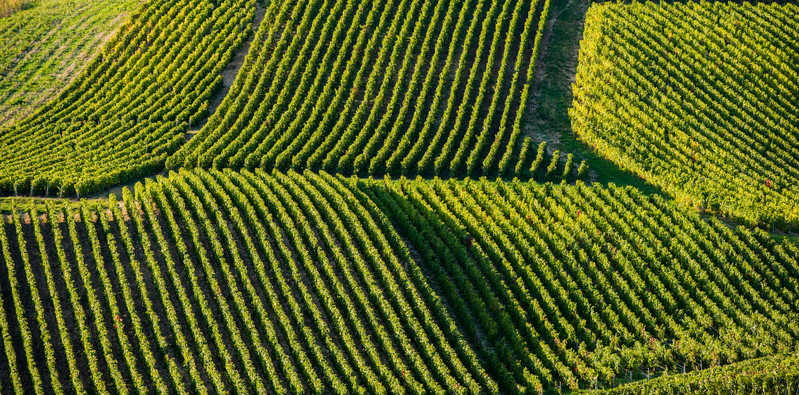
The Piribauers' vines thrive at the foothills of the Rosaliengebirge and around the Wetterkreuz. The proximity to the Alps gives the region cool nights. In combination with the Pannonian daytime warmth, this climatic peculiarity - also known as the "cool climate" - gives the grapes the opportunity to ripen in a more complex way and ensures one of the latest harvest times in Burgenland. The deep sandy and loamy soils, predominantly characterised by shell limestone and loess, offer the best conditions for wines full of character. The winery not only scores with its outstanding red and white wines. In recent years, the focus has increasingly been placed on the high-quality production of rosés. In spring 2018, the former "Großlage Rosalia" received the status of a DAC area. "Districtus Austriae Controllatus", or DAC for short, is awarded by regional wine committees to wines that revivid their region of provenance in an unmistakable way. In the region, in addition to Blaufränkisch and Zweigelt, this also includes rosé.
The four brothers are wholeheartedly committed to coaxing the best out of each grape variety. Passion makes good wines - this principle is particularly important to them. The aim is to elicit the full character of each wine and to preserve the varietal characteristics of the grapes. For Piri-Bros, the wines are natural resources that combine craftsmanship and culture, past and vivid. Just like the Romans and Celts of old, whose cultural and historical heritage is still deeply preserved in this soil, they cultivate wine on these hills, bringing all the treasures of the soil to light and making them gluggable. They like to go deep for their wine, as this is the only way to make it a particularly enjoyable treasure of the soil.

 Route
Route